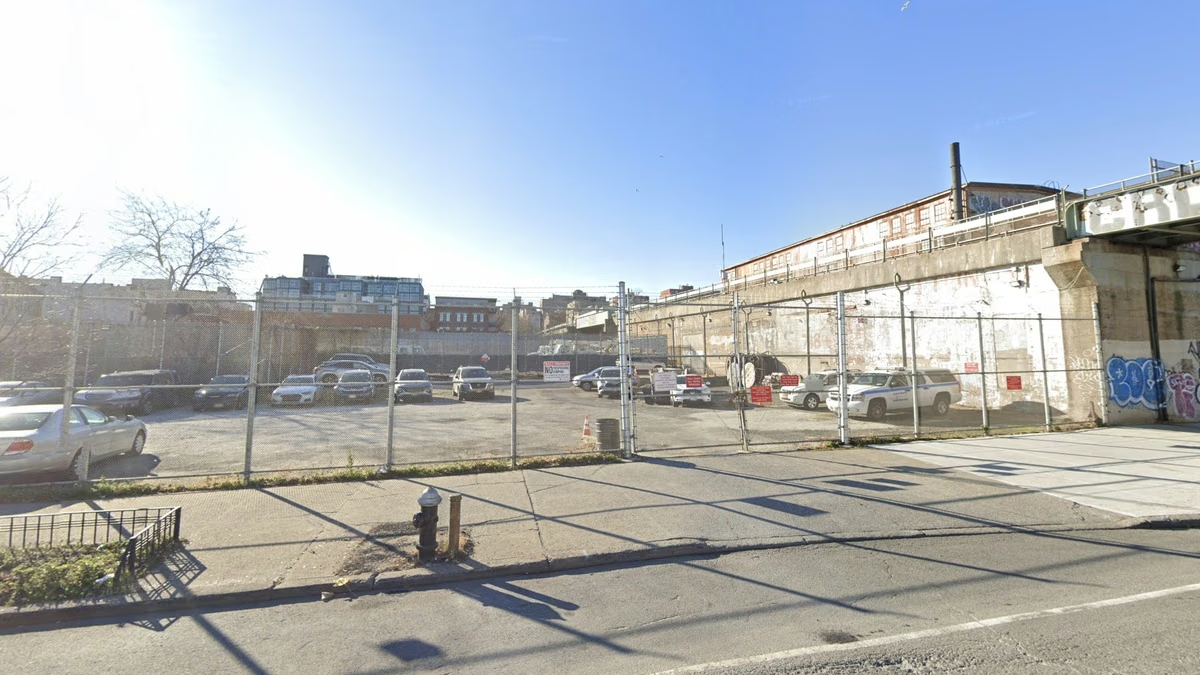
Fourteen years after a fire displaced hundreds of people from a rent-stabilized Brooklyn building, the city says some of those tenants will have a path back. Mayor Zohran Mamdani and developer MSquared marked the groundbreaking for 134 homes at 665 New York Avenue on Nov. 18.
A lightning strike during a 2012 storm started the seven-alarm fire, according to the mayor’s office. The damage prompted orders to vacate the building. The address remained uninhabitable in the years that followed.
Reserve apartments for people who lost housing
The mixed-income development will have 90 affordable apartments. Those include 18 reserved for tenants displaced from the property and 14 for New Yorkers who have experienced homelessness. Neither group’s set-aside is in addition to the 90.
The city expects construction to finish in 2028. The groundbreaking announcement did not give an application schedule or explain how formerly displaced residents would be contacted about the apartments reserved for them.
The old property was served by gas. The redeveloped building will run entirely on electricity, and the plans call for parking, bicycle storage, a rooftop deck and a fitness center.
Put project revenue back into housing
The project is the first financed through the city’s Subordinate Market Rate Revolving Term Loan, or SMRRT Loan. The New York City Housing Development Corporation administers the program as part of the Mamdani administration’s Block by Block housing plan.
The loan is designed to bring revenue from the development back to the city. That money can then go toward another mixed-income housing project. Brooklyn is the first test of a tool the administration intends to use across all five boroughs.
The revolving loan is one piece of the financing. MSquared also obtained debt financing from Citibank, and the deal includes an Article XI tax abatement arranged with the city’s housing department and Council Member Rita Joseph.
The broader Block by Block plan aims to build 200,000 affordable homes and preserve another 200,000 over a decade. The city says it is backing the plan with $22 billion in affordable housing investment over five years.