Researchers at Green-Wood Cemetery are studying fungi hidden beneath the Brooklyn landmark, taking small soil samples to learn what lives there and how to better protect its landscape.
Environmental fellows Whitney Bauck and Lauren Wilson say they have found at least 20 species not previously documented anywhere. They expect to keep analyzing laboratory data through the winter and plan to release results next spring.
How the soil survey works
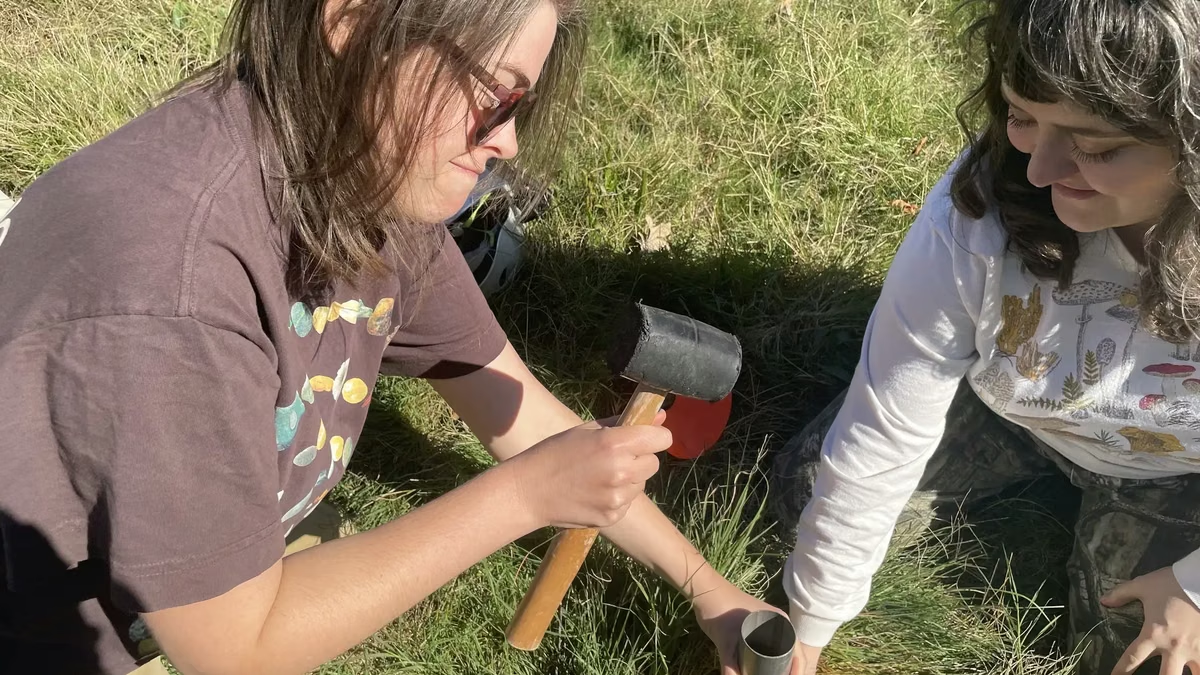
The fellows have carried out roughly half a dozen sampling digs, mostly at Green-Wood, since last spring. At each site they clear a small patch of vegetation and use a mallet to drive a metal tube into the ground.
They remove a portion of soil from the core with a sanitized teaspoon and send it to a laboratory for DNA analysis. They also record the location, nearby plants and insects, and conditions such as soil color and moisture.
Why fungi matter to the cemetery
Fungi help decompose organic matter and support plants by helping them obtain water and nutrients. Cataloging the organisms can help researchers understand the cemetery's ecosystem and monitor threats from invasive species.
Michael Van Nuland, data science lead at the Society for the Protection of Underground Networks, said changes in fungal communities could also offer an early indication of climate stress, even while plants above ground appear to persist.