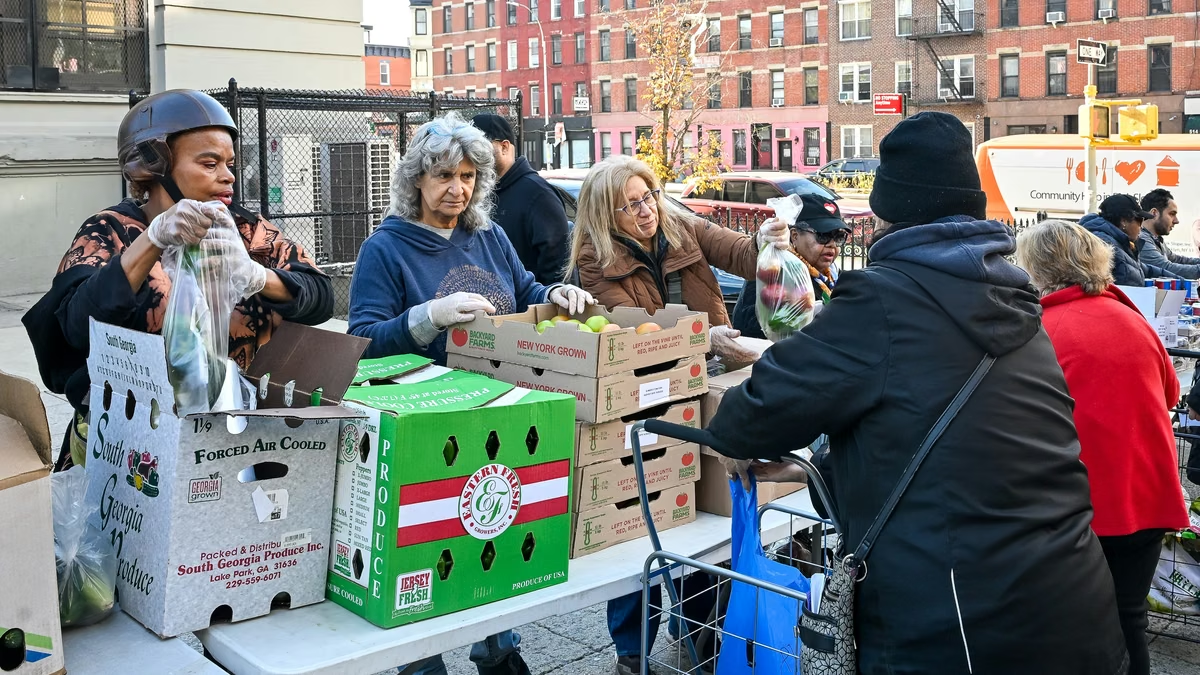
As Thanksgiving approaches, Brooklyn food programs say more families are seeking help while some organizations struggle to secure enough food and money to meet demand. Community Help in Park Slope, known as CHiPS, says it now serves 1,500 families a week through its food pantry, up from 700 at the start of the year.
More families are turning to pantries
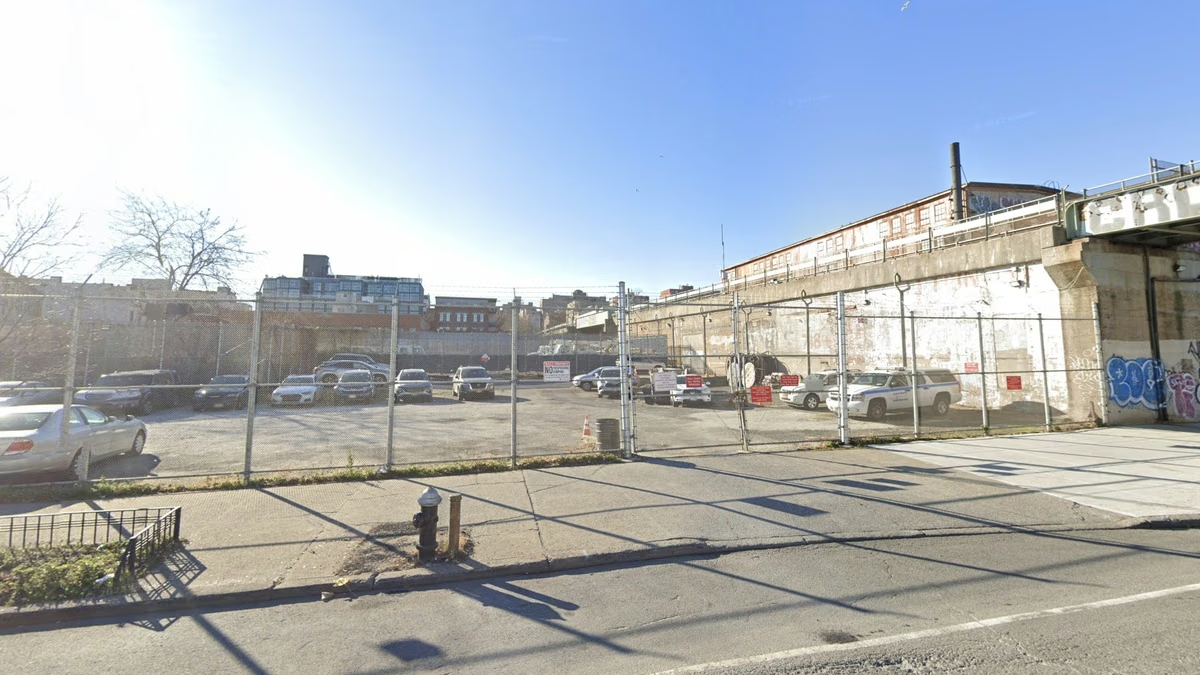
CHiPS executive director Peter Endriss said attendance at its existing distributions has risen by 10% to 30%. The organization expanded into a Brooklyn Navy Yard warehouse previously operated by One Community and took over three of that group's distributions.
CHiPS distributes groceries twice a week at its Park Slope headquarters and operates a mobile pantry that stops at schools and public housing developments. Endriss said more people arriving for help now appear to be working, including people in medical scrubs and construction uniforms.
A Columbia University and Robin Hood report found that about 15% of New York City residents, or approximately 1.3 million people, visited food pantries in 2025, compared with 14% in 2024 and 13% in 2023. Endriss also pointed to rising living costs and changes to SNAP food benefits as pressures on households.
Some providers have had to scale back
In southern Brooklyn, Reaching-Out Community Services executive director Tom Neve said the organization serves about 14,000 families but has reduced its reach because of funding constraints. It previously served 16 communities, he said, and gave up its former headquarters during a 2024 financial shortfall before reopening its pantry.
The pantry requires registration, proof of address and financial information, and serves only certain neighborhoods. Neve said its system lets visitors select food according to their dietary needs.
Kevin ‘Renny’ Smith, executive director of Families and Friends of the Wrongfully Convicted, said the group has seen its food supply decline and can now feed about 125 to 130 families, down from roughly 175. He said suppliers cited federal funding cuts.
Public funding and donations help meet demand
Endriss said individual donations account for about half of CHiPS' budget and have increased as federal funding has been lost. Much of its food is purchased through the city's Community Food Connection program, which supports more than 700 pantries and community kitchens citywide.
The city allocated $80 million to that program for fiscal year 2027, up from $36 million in fiscal year 2026. Endriss said the extra funding helps, but argued that wages and access to benefits also need attention for a longer-term solution.