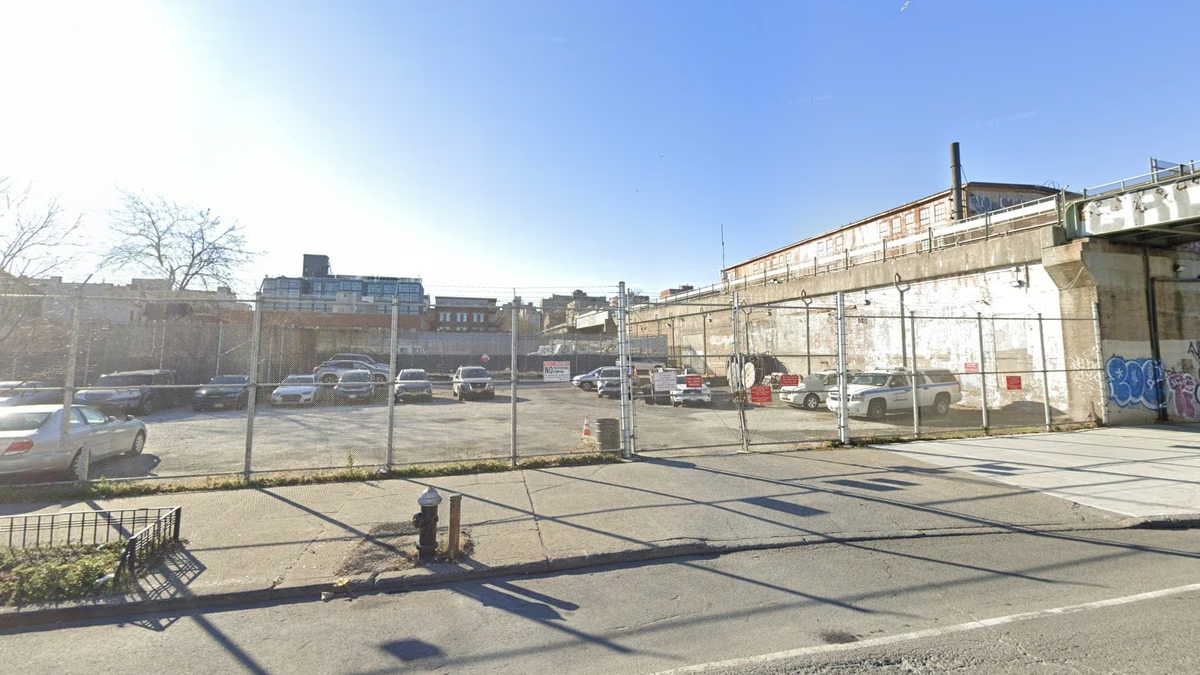
New York City plans to open its first replacement jail in Downtown Brooklyn in 2029 as part of a new effort to close the jails on Rikers Island. Mayor Zohran Mamdani's administration set the end of 2032 as its target for moving the last person in custody off the island.
That date would be more than five years after the current legal deadline. City law requires incarceration on Rikers to end by Aug. 31, 2027, and the administration says it will work with the City Council on legislation to change the timeline.
Follow the Brooklyn opening schedule
The Downtown Brooklyn jail is planned to hold 1,040 people and also serve Staten Island. It would be the first of four borough-based jails to open under the administration's schedule.
The Bronx and Queens facilities are projected to open in 2031, followed by the Manhattan jail in 2032. These are projected openings, not completed transfers, and the wider closure plan depends on getting the facilities ready and reducing the number of people in city custody.
The administration says the replacement jails are intended to be easier to supervise and closer to courts, public transportation and the communities where people in custody have family and support. The city also plans space for education and other programs inside the facilities.
Expand hospital care before the jails open
The plan calls for a combined 236 therapeutic beds at Woodhull Hospital in Brooklyn and North Central Bronx Hospital. The administration expects both units to open in 2028, before the first borough jail.
The units are intended for people in custody with serious mental health conditions or complex medical needs who require care in a hospital setting. The city has already opened a 104-bed therapeutic unit at Bellevue Hospital in Manhattan.
Reduce the number of people in custody
The administration says it needs to reduce the city jail population from about 6,600 people to no more than 4,100 by the end of 2032. Its plan includes expanding supervised release and creating service hubs at or near courthouses.
Those hubs are intended to connect people with housing, transportation and behavioral health care when they appear in court. The plan also includes services for people returning to the community, including additional supportive housing.
While Rikers remains open, the city plans to repair faulty doors, review correction officer assignments and improve how the Department of Correction investigates misconduct. It also says it will issue quarterly progress updates.